Sleep Paralysis (Bóng Đè)
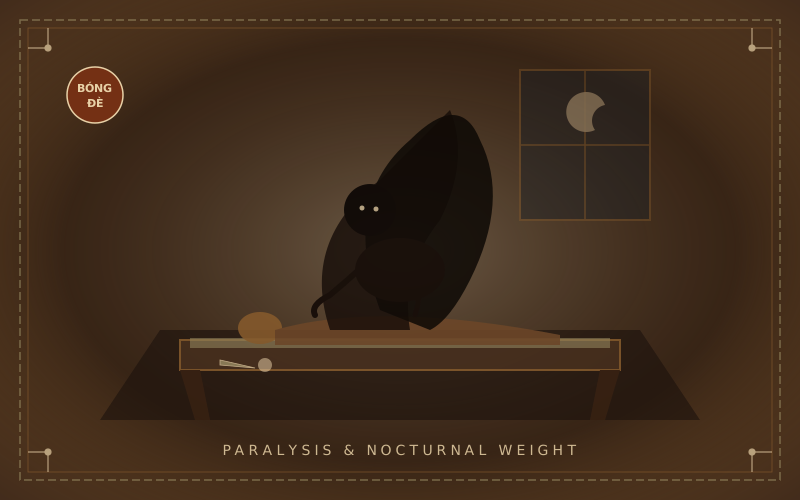
In Vietnamese folk culture, waking up unable to move while sensing a suffocating presence on one's chest has long been attributed to 'Bóng Đè'—an unseen entity or restless shadow spirit pinning the sleeper down.
“Stories, beliefs, and mysteries shaped by the way people once understood the world.”
In Vietnamese folk culture, waking up unable to move while sensing a suffocating presence on one's chest has long been attributed to 'Bóng Đè'—an unseen entity or restless shadow spirit pinning the sleeper down.
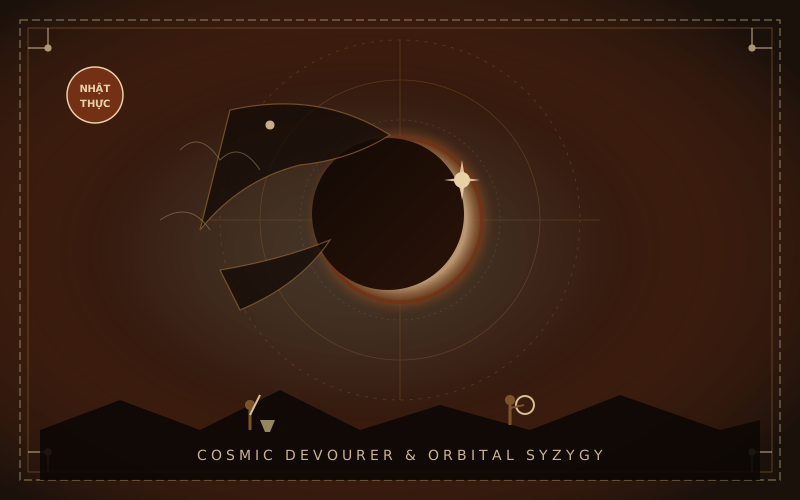
Across early Vietnamese oral traditions, eclipses were seen as cosmic emergencies where celestial monsters swallowed the heavenly luminaries—spurring villagers to bang brass mortars and drums to rescue the sky.
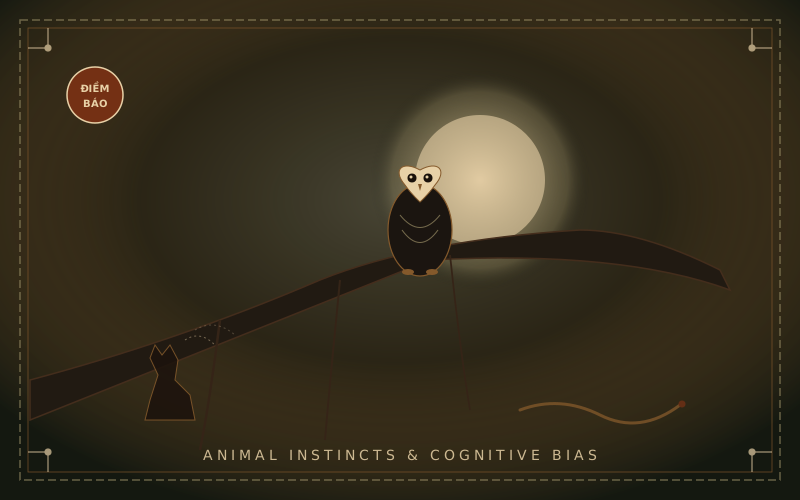
From the ominous call of the barn owl to dogs barking at vacant thresholds, traditional folklore interpreted animal behaviors as prophecies—blending genuine animal sensory biology with human confirmation bias.
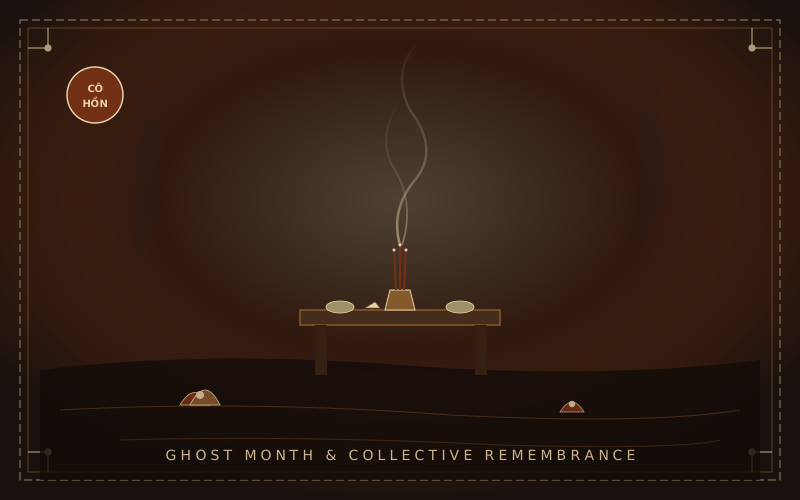
During the Seventh Lunar Month, Vietnamese tradition welcomes the pardon of wandering souls ('Cô Hồn')—balancing ancient Buddhist compassion, ancestral respect, and the communal processing of unresolved death.
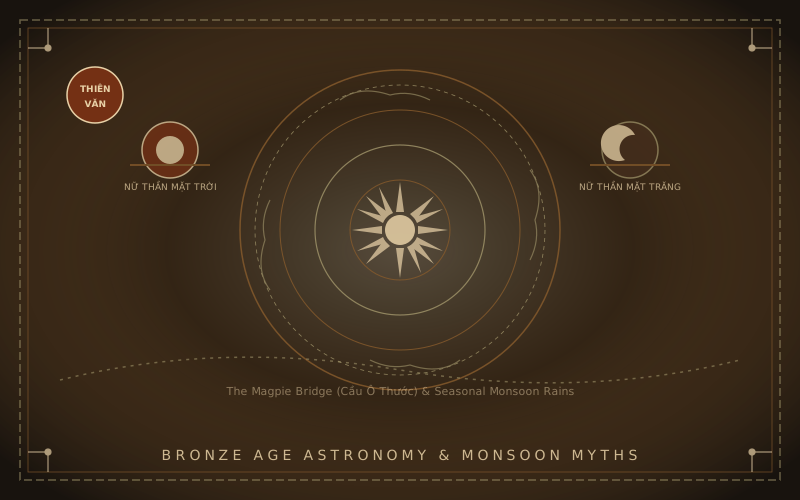
Long before optical telescopes, ancient Vietnamese ancestors encoded deep astronomical cycles into myths of solar maidens, lunar banyans, and cosmic monsoon rains.
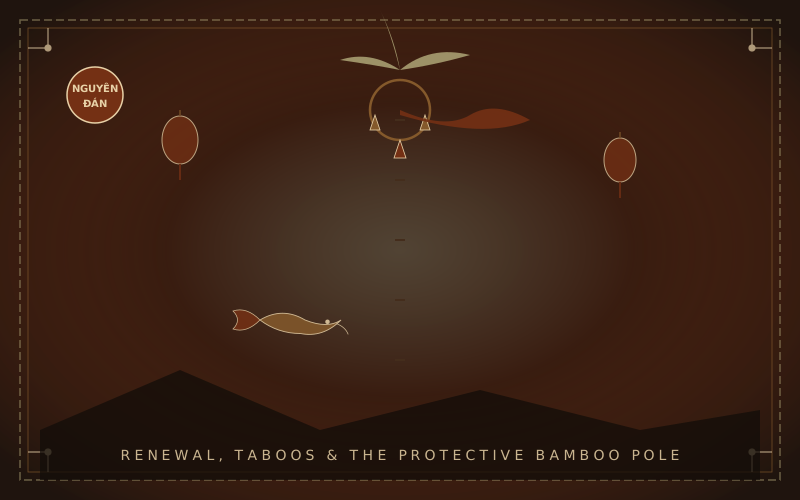
Tết Nguyên Đán represents far more than a calendar turnover—it is a spiritual reset rooted in ancient agrarian survival, domestic hygiene, and protective boundary lore.